


 Blog
 Contact Us
 Work With Us

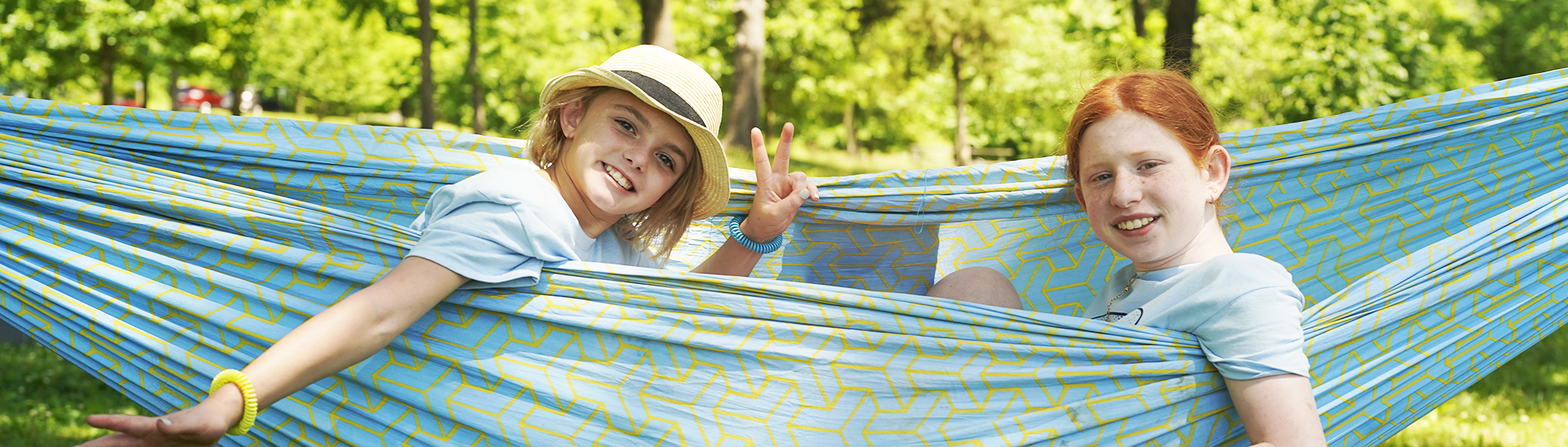
Each October, Camp Sequoia welcomes ADHD Awareness Month. This invites us to deepen our understanding of attention-deficit/hyperactivity disorder and consider how we support the people who live with it. For 2026, CHADD’s theme, “A Community of Support,” brings that responsibility into focus. Awareness becomes meaningful when it shapes how we welcome a child, respond to a challenge, and make room for lasting friendships.
At Camp Sequoia, community is central to that work. Our campers deserve places where adults appreciate their strengths, understand their support needs, and help them participate meaningfully. They also deserve peers with whom they can laugh, disagree, discover shared interests, and try again after an awkward moment. Those opportunities matter in July. They matter just as much in October. Our Camp Sequoia connections, camper engagement opportunities and professional collaborations last throughout the year.
ADHD is a neurodevelopmental disorder, and its impact extends beyond the familiar image of a child struggling to sit still. The CDC’s overview of ADHD explains how symptoms can involve inattention, hyperactivity, and impulsivity, with different presentations across individuals. Understanding those differences helps us ask better questions about what a particular child needs.
Consider a student who can discuss an intricate scientific concept but struggles to organize the materials for a group project. Or a camper eager to make friends who enters a conversation too quickly, excited about Pokemon or black holes and failing to read the nuances of the room. Ability and difficulty can coexist. For twice-exceptional children, recognizing advanced abilities alongside areas requiring support is particularly important. I’ve had decades of experience with 2e kiddos, presenting my work at the World Gifted Conference as well as the International Conference on ADHD.
A shared community begins with that fuller understanding. Our Camp Sequoia staff can appreciate a child’s humor, curiosity, and enthusiasm while providing clear expectations and useful feedback. Celebrating strengths and addressing challenges belong in the same conversation.
Many adults often tell children to “go make friends” as though friendship were a single, self-explanatory task. In practice, it involves many smaller decisions: finding an opening in a conversation, noticing another person’s interest, negotiating a different preference, and repairing a misunderstanding.
Imagine joining a game already in progress. A child must work out the rules, identify whom to approach, choose a moment to speak, and manage the possibility of hearing “wait.” An adult’s brief prompt or a peer’s welcoming invitation can make that moment more manageable.
This is one reason we value opportunities for social learning within shared activities. Our discussion of social skills growth at Camp Sequoia describes an approach that integrates support into play and everyday interactions. The activity gives children something worth doing together; thoughtful guidance helps them navigate the experience.
Belonging also requires room for imperfection. Children need opportunities to apologize, adjust, and rejoin the group. A difficult interaction should lead to reflection and an appropriate response while preserving the possibility of connection.
Parents bring knowledge that no intake form can fully capture. To be fair, we do try to ask the right questions and give parents space to share their insights. Parents know the difference between their child’s ordinary hesitation and the first signs of being overwhelmed. They can explain which encouragement feels helpful, which transitions require preparation, and what their child hopes other people will notice about them.
Teachers, clinicians, and camp professionals contribute different perspectives. With appropriate family permission, sharing those perspectives can help adults develop a more coherent understanding of the child.
As we explore in Partnering with Parents: The Next Frontier for Camps, Schools & ADHD-Serving Organizations, families should have an active voice in that process. Useful collaboration starts with specific questions: What helped? Under what conditions? How much adult support was needed? What might be worth trying elsewhere?
The CDC’s guidance on ADHD in the classroom offers families and educators a practical starting point for discussing classroom strategies and individualized supports. A successful camp experience can contribute observations to that conversation, while school and clinical teams determine what fits their own settings.
Residential camp creates repeated opportunities to participate in a community. Children share meals, activities, responsibilities, and downtime. A conversation begun at breakfast can continue later in the day. An unsuccessful attempt to join an activity need not be the last opportunity with the appropriate staff scaffolding and insight.
At Sequoia, our goal is to make those everyday experiences accessible and worthwhile for the campers we serve. Staff support can help a child prepare for a transition, consider another camper’s perspective, or recognize a successful interaction.
Growth may look modest from the outside: asking a peer to join an activity, accepting a changed plan, or returning to a group after taking a break. For the child who found that step difficult, it can be significant.
We should recognize such progress precisely. “You asked what your friend wanted to do, and then you worked out a plan together” gives a child more useful information than a general instruction to be social. It names something they can understand and practice again.
Friendships need opportunities to continue. Distance, busy schedules, and the demands of school can make those opportunities harder to arrange.
Camp Sequoia’s year-round programs include school-year weekend trips, on-demand adventures, and alumni opportunities. These experiences give members of our community ways to reconnect with friends and familiar staff beyond the summer.
That continuity has a practical purpose. A shared outing creates time together, something new to talk about, and another opportunity to practice participating in a group. For campers who live far apart, planned reunions can help sustain relationships that geography would otherwise make difficult.
Families can also support continuity in smaller ways: helping a child arrange a call, remembering a friend’s birthday, or identifying a manageable next opportunity to meet. The aim is a connection the child values and can help shape.
ADHD Awareness Month provides an opportunity to examine our own community practices. Who gets invited? Whose behavior do we interpret too quickly? Do we ask children what helps them participate?
The ADHD Awareness Month coalition’s resource hub offers expert questions and answers, myth-busting information, and lived experiences to support those conversations. The CDC’s ADHD Partner Toolkit provides free materials that families, educators, and organizations can share throughout the year. Camp Sequoia’s ADHD resources for parents provide additional places to continue learning.
Choose one resource and put it to work. Share it with a colleague, use it to begin a family conversation, or reconsider an activity that repeatedly leaves a child on the sidelines. Ask the child for their perspective before deciding what needs to change.
Community support belongs alongside individualized care. The CDC’s ADHD treatment guidance describes treatment options and the importance of working with healthcare providers and others involved in a child’s life. Camp contributes opportunities for friendship, participation, and supported independence within that broader network.
This October, we invite families and professionals to consider the communities their children experience and the relationships they want to help sustain. At Camp Sequoia, we work toward a community where children are known, supported, and expected to contribute. This is where a summer friendship has opportunity to become a year-round connection.
Awareness gives us a reason to begin the conversation. Our everyday choices give children a reason to know they belong.