


 Blog
Blog Contact Us
 Work With Us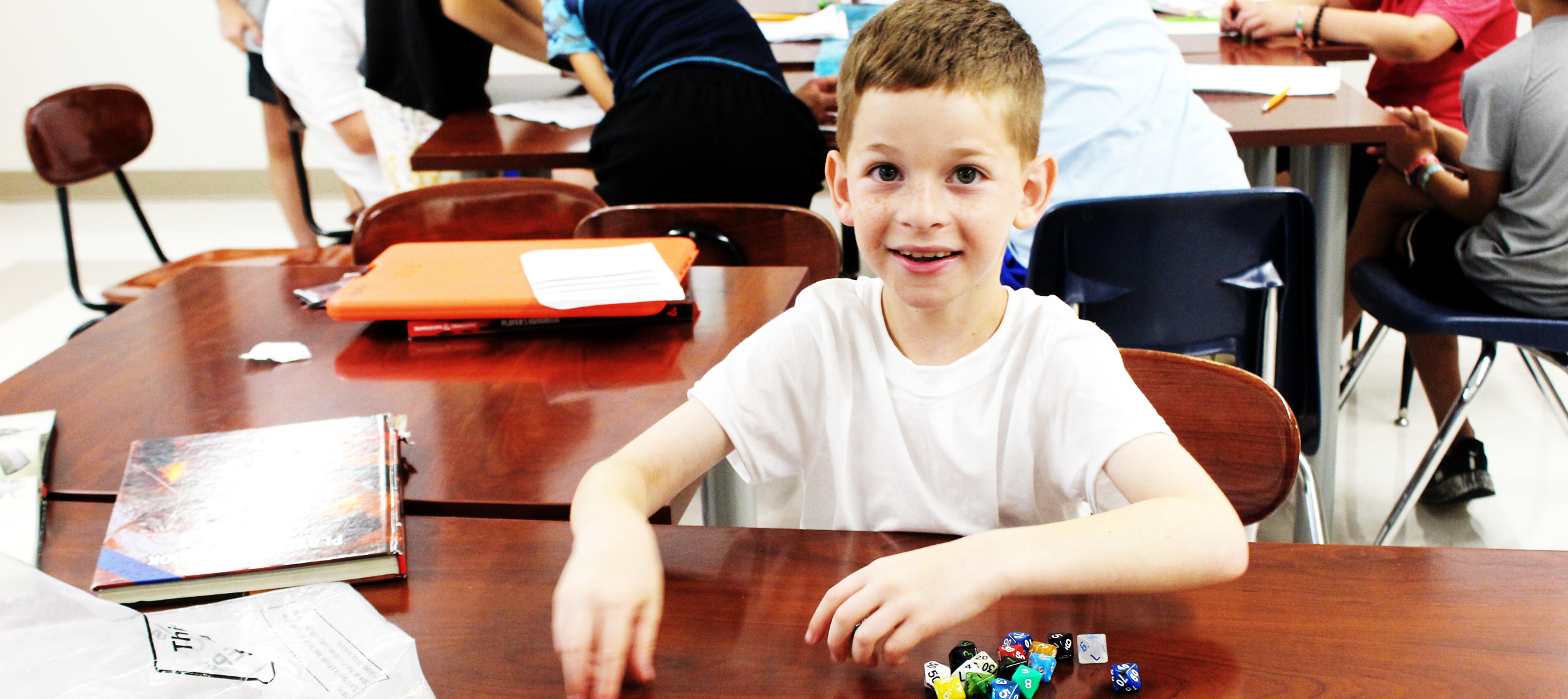
Executive functioning (EF) is often described as the brain’s “air traffic control system” – the set of skills that helps kids plan, stay organized, manage time, regulate emotions, and shift between tasks. For many neurodivergent kids, especially those with ADHD or social learning differences, these skills can make or break their day. During unstructured times like weekends, holidays, or long school breaks, challenges with Executive Functioning often become even more obvious.
Well-designed summer camps can be powerful “practice labs” for executive functioning. Camp Sequoia intentionally builds structure, routine, and clear expectations into the daily schedule to support campers with ADHD and related learning profiles. We highlight predictable routines, visual schedules, and thoughtful transitions as core ingredients that help campers succeed socially and emotionally in a community setting. In parallel, research from developmental psychology and education consistently shows that Executive Functioning skills grow best in environments that are structured, predictable, and emotionally safe.
Below, we’ll look at why structure and physical environment matter so much, why a small, organized room with one roommate usually beats a giant cabin in the woods, and how families can borrow camp strategies during school breaks to keep Executive Functioning skills moving in the right direction.
The Center on the Developing Child at Harvard University describes executive functions as the mental processes that enable us to plan, focus attention, remember instructions, and juggle multiple tasks successfully. These abilities don’t appear fully formed; they develop gradually from childhood into early adulthood and are shaped by experience and environment (Center on the Developing Child, 2011). Camp Sequoia provides an environment where Executive Functioning experience and expertise is built fully scaffolded into the summer curriculum.
For kids with ADHD, anxiety, or other neurodevelopmental differences, Executive Functioning demands can feel exhausting. Starting a project, remembering what to bring to an activity, switching from a preferred task to something boring, or handling a change in plan are all heavy lifts. Research and clinical practice highlight several ways that structure and routine help:
Camp Sequoia’s program reflects these principles. Days follow a thoughtfully structured schedule with clear blocks for wake-up, hygiene, meals, activities, rest, and evening programs. Staff preview transitions, use visual supports, and coach campers through daily routines so those Executive Functioning “muscles” get used many times each day in a safe, supported environment. This is very much in line with research showing that repeated opportunities to practice planning, organizing, and shifting in real-life settings promote stronger executive functioning over time (Diamond, 2013).
Executive function is not just about what is happening inside a child’s brain; it is also about how the environment helps or hinders them. Environmental supports – defined spaces for specific activities, organized storage, and reduced clutter – make it easier for kids to know what to do, where to do it, and how to put things away.
A helpful way to think about this is in terms of clearly defined “zones” for storage, work, sleep, and social time.
When every item has a consistent “home” – labeled cubbies, drawers, closet shelves, or bins – kids do not have to reinvent the system every time they put something away. Research and Executive Functioning-oriented parent guides emphasize the value of simple, predictable storage systems for kids with ADHD: grouping similar items together, limiting visual clutter, and using labels or color-coding to show where things belong.
In a camp setting at Sequoia this means:
These structures support organization, working memory (“Where do my socks go?”), self-monitoring (“My drawer is almost empty; laundry day is coming soon”), and planning for the day.
Even at camp, kids need a place to think, plan, and work on tasks that require focus. A designated desk or table – either in the room or in a nearby supervised lounge – sends a powerful cue: this is where you sit when you are planning, writing, or organizing. A simple work area at camp might be used to:
Educational research on Executive Functioning-friendly classrooms repeatedly shows that a consistent, minimally cluttered workspace helps kids initiate tasks, sustain attention, and complete multi-step activities. Camp Sequoia can mirror that model with furniture choices and clear norms for each space.
Sleep is one of the strongest biological supports for Executive Functioning. Studies across childhood and adolescence link poor sleep quality and inconsistent sleep schedules with weaker attention, working memory, and cognitive flexibility, especially in youth with ADHD (Becker et al., 2019).
From an Executive Functioning standpoint, a good camp sleeping environment:
A dorm-style room with one roommate, appropriate climate control, and consistent nighttime expectations gives kids a much better chance of getting restorative sleep than an overly hot, noisy, or chaotic bunk. The payoff shows up the next day: kids are more alert, flexible, and able to use Executive Functioning skills that they simply cannot access when they are exhausted.
Finally, kids need a defined space for connection with peers. A small lounge or common room functions as the “social lab” where campers hang out, play games, and talk with roommates and division-mates under staff supervision.
The research on social-emotional learning and youth development at camp shows that structured, supportive group activities help build emotional regulation, perspective-taking, and problem-solving skills. When lounges are intentionally designed – comfortable seating, board games, small groups, and clear behavioral expectations – they become ideal places for practicing turn-taking, compromise, and repair after conflict, all of which lean heavily on executive skills.
Traditional “cabin in the woods” models sometimes house 16–18 kids in one large bunk with limited storage, minimal privacy, and constant or unpredictable noise. For some campers this can be exciting, but for many neurodivergent kids it is overwhelming:
From an Executive Functioning perspective, this environment places enormous demands on self-regulation, organization, and flexible thinking – often more than kids with ADHD or social challenges can reasonably manage. At Camp Sequoia, we strive to set kids up for success and the open bunk model, just like the open-classroom model of the 1960’s and ’70s fell out of favor as it failed to meet the needs of kids in their zone of proximal development.
By contrast, a small room with one roommate and clearly defined storage, work, sleep, and social spaces offers several advantages:
For campers who are building executive functioning skills, the smaller, more structured living model is usually much more supportive than a large, traditional bunk that lacks defined zones and predictable routines.
The good news is that families do not need to wait for summer to use these ideas. Many of the strategies from Camp Sequoia can be adapted for school breaks at home.
Borrow the camp model and define four zones, even in a small living space:
Visual schedules, choice boards, and packing lists are a staple of both Executive Functioning interventions and high-quality special education classrooms. During school breaks, families can:
Many educators use tools (contact us if you are a teacher and would like us to share some of these tools with you for free) during the school year to generate differentiated routines, checklists, and visual supports for students with Executive Functioning challenges. Families can borrow the same approach on paper or with simple apps at home: breaking tasks into steps, making the sequence visible, and helping kids track what they have done.
Camp Sequoia’s blog posts about Spring Break and end-of-year transitions emphasize planning for change in advance: previewing schedule changes, talking about what will feel different, and agreeing on a loose structure for the break. In summary, parents can:
This kind of planning explicitly exercises Executive Functioning skills by asking kids to anticipate, mentally rehearse, and shift between contexts instead of being blindsided by change.
Camp Sequoia programs often use multi-step projects – building, creating, performing – as vehicles for Executive Functioning practice. At home, families can:
These projects require planning, organization, and persistence, but are anchored in the child’s interests, which increases motivation and follow-through.
Strong executive functioning does not emerge from one chart or one summer; it develops through repeated practice in environments that make planning, organizing, remembering, and regulating a little easier instead of a lot harder.
The Camp Sequoia model that uses predictable routines, clear expectations, and well-designed physical spaces – with defined zones for storage, work, sleep, and social time, and a small number of roommates – aligns closely with what the Executive Functioning literature recommends. When families borrow these same principles at home during school breaks and lean on simple tools to create visual supports and routines, they help kids experience consistency across camp, school, and home.
For neurodivergent kids, that consistency sends a powerful message: you are capable, the adults around you are going to provide the structure you need, and together we will give your growing brain a chance to practice the skills that will serve you long after summer ends.
– Becker, S. P., et al. (2019). Sleep and executive functioning in youth with ADHD. Current Psychiatry Reports, 21(10), 89.
– Center on the Developing Child at Harvard University. (2011). Building the Brain’s “Air Traffic Control” System: How Early Experiences Shape the Development of Executive Function.
– Diamond, A. (2013). Executive functions. Annual Review of Psychology, 64, 135–168.
– Camp Sequoia Blog. Various posts on structure, Spring Break planning, and supporting campers with ADHD and social learning differences. Retrieved from www.camp-sequoia.com/blog.