


 Blog
Blog Contact Us
 Work With Us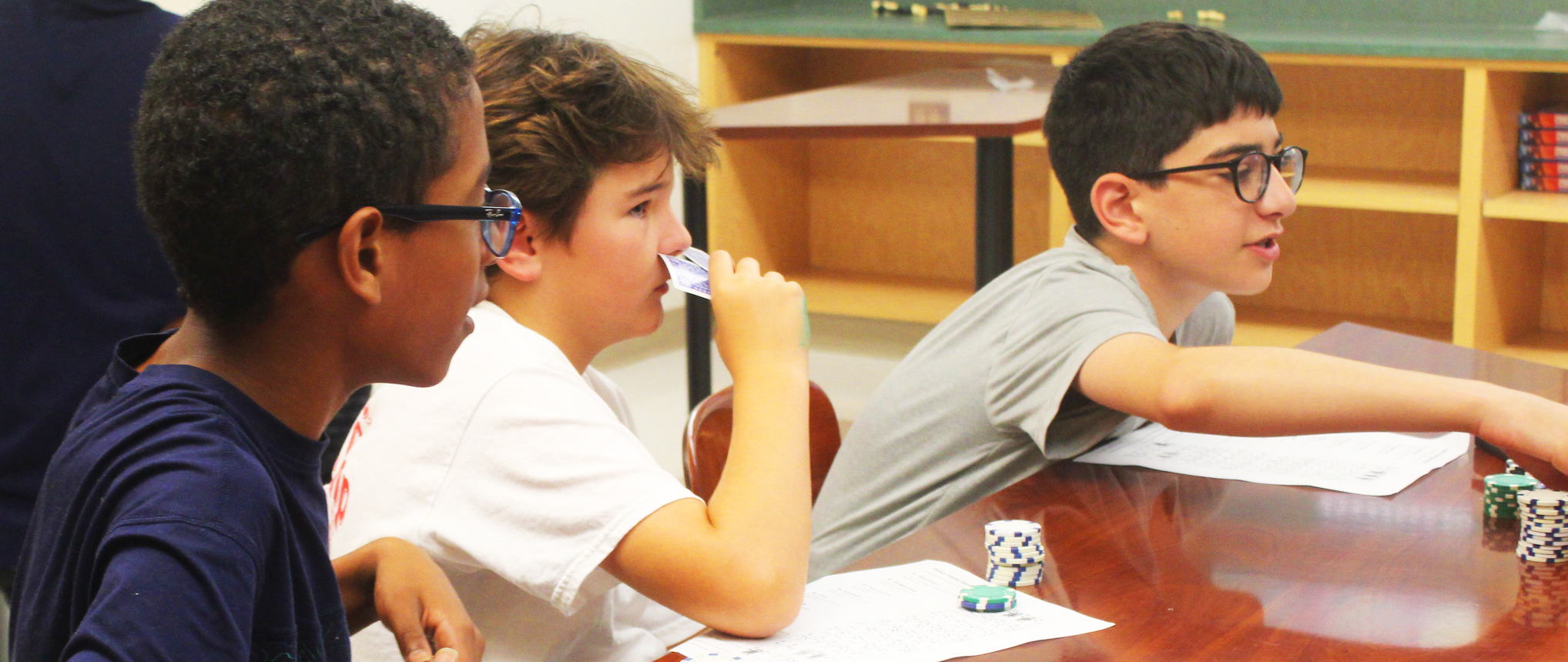
Summer can be a challenging time for families of neurodiverse children. While many kids look forward to a break from school, parents often worry about the loss of structure, fewer social opportunities, and the potential regression of social skills that took months to build. For families of children with ADHD, autism, or other social and emotional learning needs, summer can feel like a balancing act between keeping their child engaged, continuing social skills learning and maintaining stability at home.
That’s why programs like Camp Sequoia, a specialized summer camp for neurodiverse kids, offer such meaningful support. When children spend the summer in a research-based environment designed for social development, confidence-building, and independence, parents are given the opportunity to take a step back and reset for the school year ahead.
One of the biggest concerns parents share is the sudden loss of routine once school ends. Many neurodiverse children thrive with predictable schedules and clear expectations but recreating that structure at home can be exhausting at best or impossible at worst.
Camp Sequoia provides a consistent, thoughtfully designed daily program with a blend of:
Trained counselors who understand neurodiversity guide campers through each part of the day.
For parents, this community means peace of mind. Instead of carrying the full weight of planning every moment, they know their child is in a structured environment that supports both fun and personal growth.
Parents of 2e children spend a vast amount of time helping their kids navigate friendships, group dynamics and emotional regulation. At Camp Sequoia, counselors coach campers through everyday social learning opportunities, including:
Because these interactions happen naturally in real-time throughout the day, campers practice social skills repeatedly in a supportive, neurodiversity-affirming environment. Parents benefit from knowing they’re not the only ones guiding these skills. A trained camp team reinforces social learning in a community of peers with similar strengths and challenges.
It is tough to watch a child struggle to fit in at school, be desperate for friends and not know how to create or maintain friendships, or feel so anxious that they have decided friendships are too hard. Traditional camps or neighborhood groups may not always offer the patience or understanding neurodiverse children need.
Camp Sequoia is different.
Here, campers are surrounded by peers who share similar experiences. Many children discover, sometimes for the first time, a true sense of community and camaraderie.
Parents frequently share their child returns home with something amazing: a genuine sense of belonging and friends that they keep in touch with throughout the school year.
Knowing their child is spending the summer in an accepting, supportive community brings parents tremendous peace of mind.
The camp program encourages independence while still offering support. This fun, therapeutic environment allows children to gain confidence in their abilities. For parents, this growth can be transformative. When campers return home daily life becomes a little smoother and less stressful as their camper is more capable of managing frustrations, making decisions, and communicating their needs.
During a typical day at camp children practice some of the following skills in real time:
A specialized summer camp gives parents something rare: breathing room. Throughout the school year parents spend significant time coordinating therapies, school meetings, and daily support.
While their child is at camp engaged in a safe, structured, and positive environment, parents have time to:
This summer reset helps parents return to family life feeling more balanced, patient, and energized.
Most importantly, it’s not just time away, it’s time away knowing their child is learning, growing, and thriving in a supported environment.
The benefits of Camp Sequoia often ripple through the entire family.
Parents frequently notice improvements in their child’s ability to:
These changes reduce daily conflict and make family time more enjoyable for everyone. Siblings may also receive more individual attention during the summer, helping strengthen family bonds.
Parents appreciate that the social experiences and coping strategies campers build over the summer carry into the fall. Children return to school with more confidence in their ability to navigate group settings and peer interactions.
Instead of starting the school year from scratch socially, they begin with fresh experiences of success.
One of the most valuable aspects of a specialized summer program is the partnership it creates with families. Camp Sequoia staff share insights about what strategies worked well for campers during the summer, helping parents transition those skills to family life.
Instead of feeling isolated in supporting their child’s development, parents gain a broader team invested in their child’s success.
For neurodiverse children, Camp Sequoia is more than a place to spend the summer. It’s a community where they can build friendships, practice social skills, and discover their strengths.
For parents, the benefits are just as meaningful: reassurance, support, and the joy of watching their child grow more confident and capable.
When children thrive, families thrive too. For many parents, that makes a specialized summer camp one of the most valuable investments they can make in their child’s development and in their family’s well-being.