Blog
Blog Contact Us
 Work With Us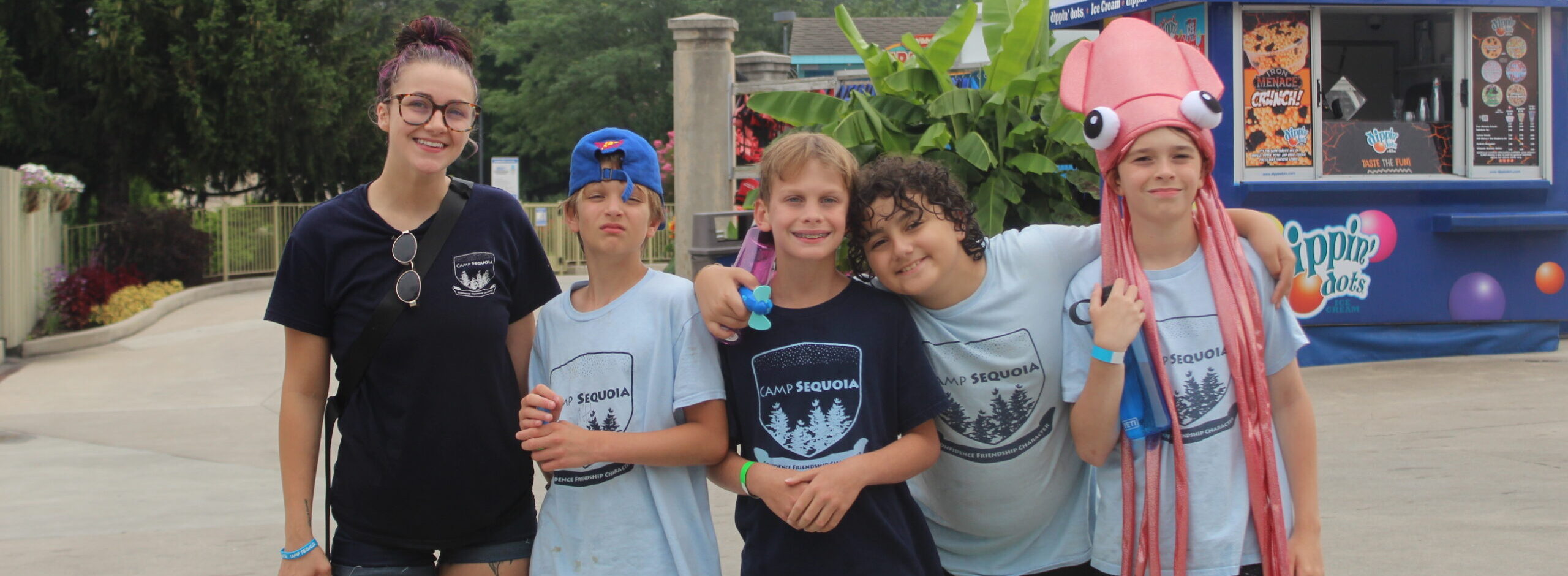
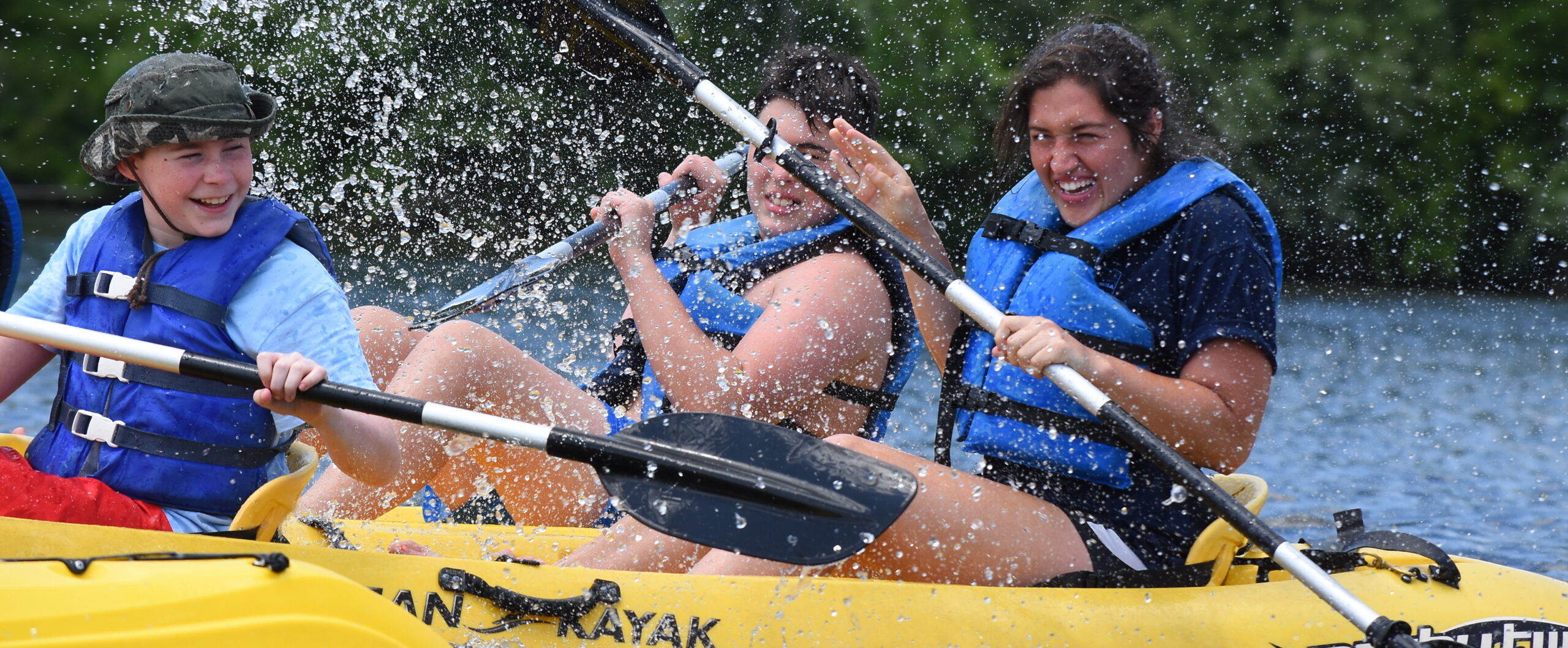
Most people think of Camp Sequoia as amazing food, trips, and the friendships that grow quickly in a supportive overnight camp community. For our leadership team, though, camp is truly year-round. The “off-season” isn’t a break, it’s when we do the planning, staff development, and program refinement that make summer feel safe, structured, and fun for neurodivergent campers.
Camp is designed to feel joyful and “normal” for kids, but behind the scenes, serving exceptional and neurodivergent campers takes real intention. Many Sequoia campers are twice-exceptional (2e) and/or have learning differences, ADHD, autism, anxiety, and other support needs. Our job is to build an environment where strengths are celebrated and support is available in the moments it matters most; during transitions, group activities, cabin life, and social problem-solving.
If you’re curious about fit, start with Who We Serve and our Mission & Approach.
During the months outside of summer, our leadership team leans into professional learning so we can keep improving how we support campers socially and emotionally. That includes staying current on research and best practices related to executive functioning, emotional regulation, and social-emotional learning (CASEL’s SEL framework).
We also prioritize training aligned with child and adolescent mental health guidance (NIMH on ADHD; AACAP’s ADHD Resource Center) and trauma-informed organizational practices (NCTSN resources). When we reference tools and common language for self-regulation, we draw from frameworks like The Zones of Regulation.
This off-season learning shows up in the details: how we structure our day, how we teach social skills, and how we coach “in the moment” so campers can practice new skills in real life—not just talk about them.
The off-season is also when we take feedback seriously. We review what campers, families, and staff tell us, look for patterns, and make targeted upgrades—without losing the flexibility and fun that make camp feel like camp.
Examples of off-season program development include refining social skills groups, improving sensory supports, adjusting schedules and transitions, and strengthening leadership opportunities for older campers. For a deeper look at our approach to social growth, see 5 Ways We Develop Campers’ Social Skills and our post on Research-Based & Evidence-Informed Social Skills Growth.
Strong camps are built on strong leadership. Strategic planning in the off-season helps ensure our systems, communication, supervision, health & safety practices, and daily routines are aligned with the needs of kids who may struggle with the “hidden curriculum” of social life.
We also benchmark against broader youth-development best practices and camp standards (for example, guidance and resources from the American Camp Association).
Our staff are the heart of camp, and training is where a great summer starts. In the off-season, our directors build training modules that go well beyond general camp orientation. We focus on practical, scenario-based coaching around communication, social thinking, frustration tolerance, emotional regulation, and relationship building.
If you’d like a transparent look at what we value in staff, visit Who We Hire and our recent blog post Your Camp Staff Make Your Program.
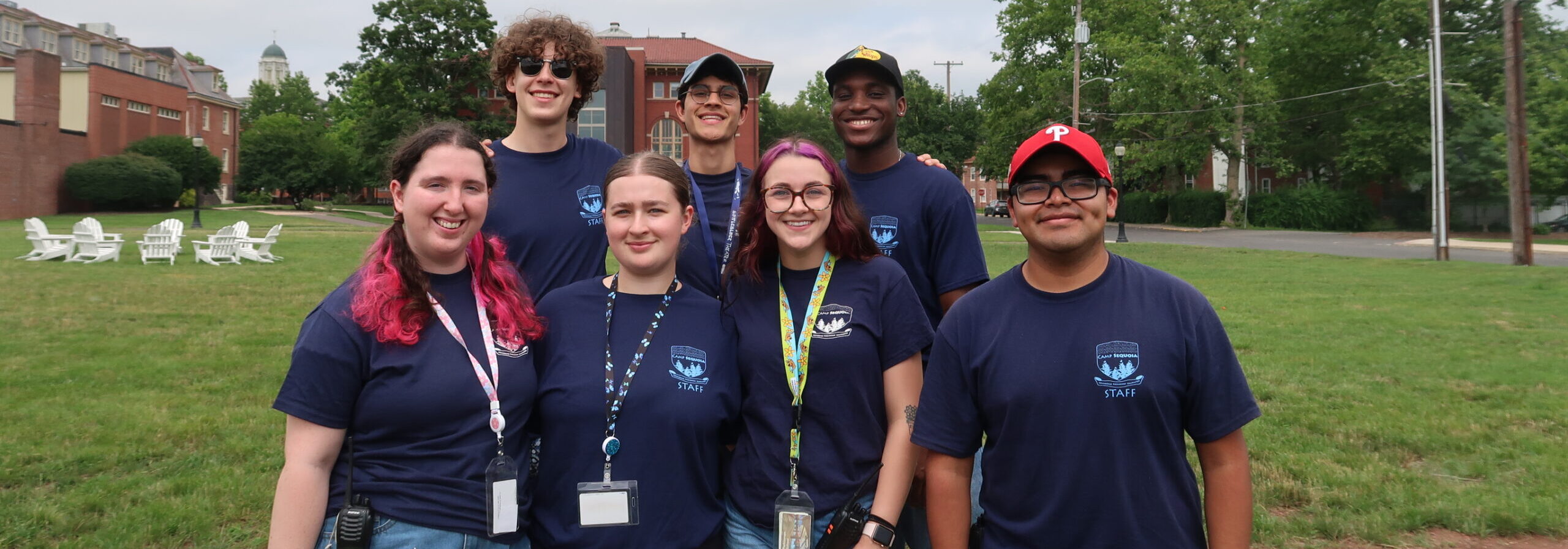
Hiring is one of the most important off-season tasks. Supporting neurodivergent campers requires counselors who are patient, adaptable, observant, and committed to learning. Our process includes multiple interviews, reference checks, background checks, and careful consideration of each candidate’s experience.
Interested in working at Sequoia? Start with Available Positions.
For families, the off-season often includes exploring fit and getting questions answered. For our directors, it’s a time of careful collaboration—reviewing applications, meeting prospective campers, and (when helpful) communicating with professionals so each child’s strengths and needs are understood before arrival.
You can learn more about fit and next steps on our Eligibility page, review Dates & Tuition, or:
While campers experience the joy, connection, and independence that come with summer, the foundation for that success is built during the off-season. Planning, learning, training, and refining are how we create a community where kids feel understood and supported from day one.
In other words: the off-season isn’t quiet. It’s the starting line.
Camp Sequoia is built to support exceptional and neurodivergent campers through structure, coaching, and a community designed for social success. The best next step is to review Who We Serve and then connect with our team to talk through your child’s profile and goals.
We intentionally design schedules, routines, and transitions to help campers practice planning, organization, and emotional regulation in real-world situations. For a deeper dive, read Summer Camp: A Place for an Executive Functioning Victory.
Training emphasizes practical tools for coaching social skills, supporting regulation, and responding consistently. Our hiring and training philosophy is explained on Who We Hire, and we also share behind-the-scenes thinking in Campfire Wisdom: How Staff Mentorship Transforms Lives in ADHD and 2e Communities.
Review Eligibility and Dates & Tuition. Click the button below to apply. Our team will guide you through next steps and interviews.
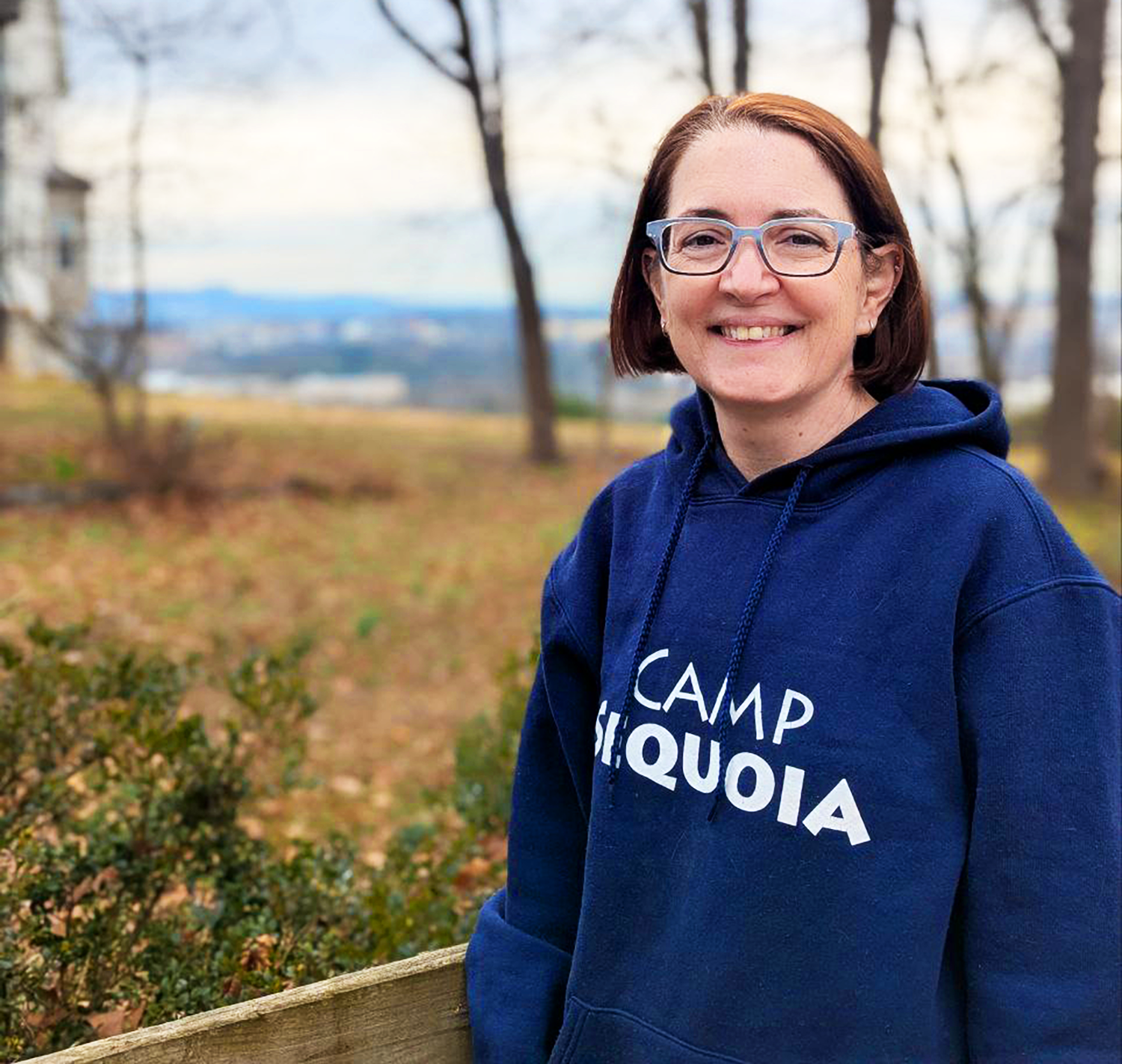
Lynsey is a mother of three, and her lived experience parenting two children diagnosed with ADHD and Autism Spectrum Disorder (Level 1) informs the empathy and perspective she brings to her work every day. Learn more about Director Lynsey by checking out our team’s about us page.